Open Today Sales: 8:30 AM-6 PMOpen Today Service: 7:30 AM-6 PM
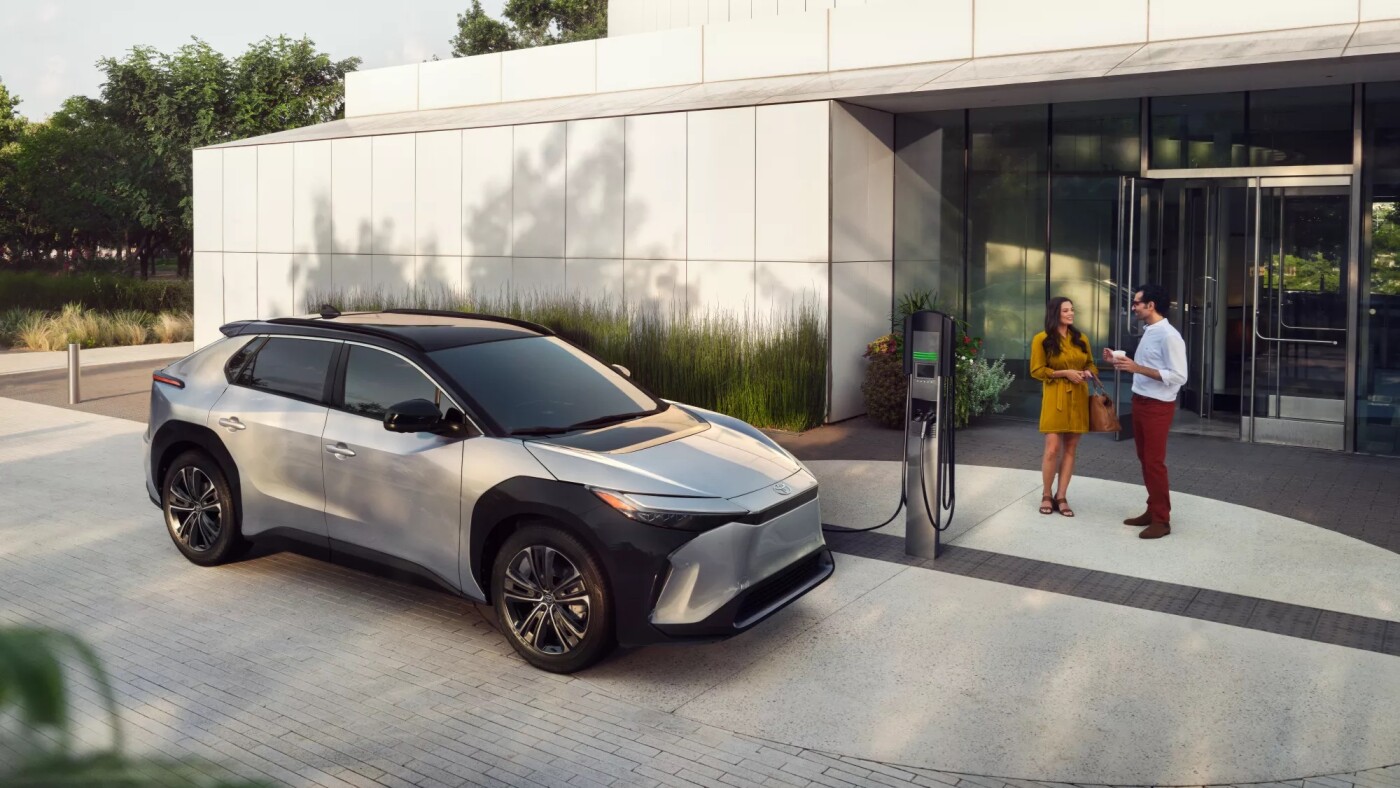
What is a BEV? What is a PHEV? How do you decide which type of electric vehicle to buy? BEV stands for battery-powered electric vehicle and PHEV is a plug-in hybrid electric vehicle. Which one is right for you depends on several factors about your Cadillac life. Are there electric car charging stations near you? Can you have a home charging unit installed? What about tax breaks? Read on to find out more about the difference between PHEVs vs. BEVs, and feel free to contact us with any questions.
Right now there are two types of electric vehicles on the market: Plug-in hybrids and full-electric or battery-powered electric vehicles. Hybrids are designed to run on both battery power and gasoline, while BEVs are powered solely by electric motors. The first hybrid electric vehicle released on the world market was the Toyota Prius in 2000, and electric vehicles have continued to gain in popularity since that time.
One of the biggest differences in the PHEV vs. BEV comparison is driving range. In order to be practical, a vehicle needs to take consumers where they want to go, and this has been a concern with BEVs. Because they can run on both gasoline and battery power, hybrid vehicles can travel about 600 miles on a tank of gas, plus battery power. Fully electric cars have a range of around 300 miles around Manistee before they need to be charged.
How long it takes to charge an electric car is a more complicated question than it sounds. PHEVs charge quickly because they don’t have nearly the electric range of a BEV. Charging time depends on the type of charger and the make of the vehicle, but here are some estimates:
When it comes to tax breaks, BEVs and PHEVs are on equal footing. Both qualify for federal tax rebates and some state credits. You can even get a tax refund on used electric vehicles in some cases when you choose one for your Glen Arbor drives.
The biggest difference between a BEV and a PHEV is in fuel savings and environmental impact. Because they run entirely on electricity, BEVs cost you nothing at the gas pump and have no tailpipe emissions. While PHEVs get a boost from electric power and have much higher EPA mileage ratings than fully gasoline-powered cars, you still need to fill up with gas and they do produce engine exhaust. Keep in mind, however, that BEVs are not completely emissions-free because most of the power stations that produce electricity currently run on fossil fuels.
Now that we’ve answered the questions of what is a BEV and what is a PHEV, come to Serra Toyota of Traverse City and take a look at our lineup of battery and hybrid vehicles. Talk to our finance team to find out how you can drive into the future! For more helpful reads, review the best cars for college students and how to get a car loan with bad credit!
2025 Tundra SR CrewMax 4-Wheel Drive 2025 Tundra SR5 Double Cab 4-Wheel Drive 2025 Tundra SR5 CrewMax 4-Wheel Drive 2025 Tundra Limited CrewMax 4-Wheel Drive 2025 Tundra Platinum CrewMax 4-Wheel Drive 2025 Tundra 1794 Edition CrewMax 4-Wheel Drive 2025 Tundra TRD Pro CrewMax 4-Wheel Drive
2025 Tacoma SR Double Cab 4-Wheel Drive 2025 Tacoma SR5 Double Cab 4-Wheel Drive 2025 Tacoma Limited Double Cab 4-Wheel Drive 2025 Tacoma TRD Sport Double Cab 4-Wheel Drive 2025 Tacoma TRD Off-Road Double Cab 4-Wheel Drive
2025 Land Cruiser and Land Cruiser 1958